


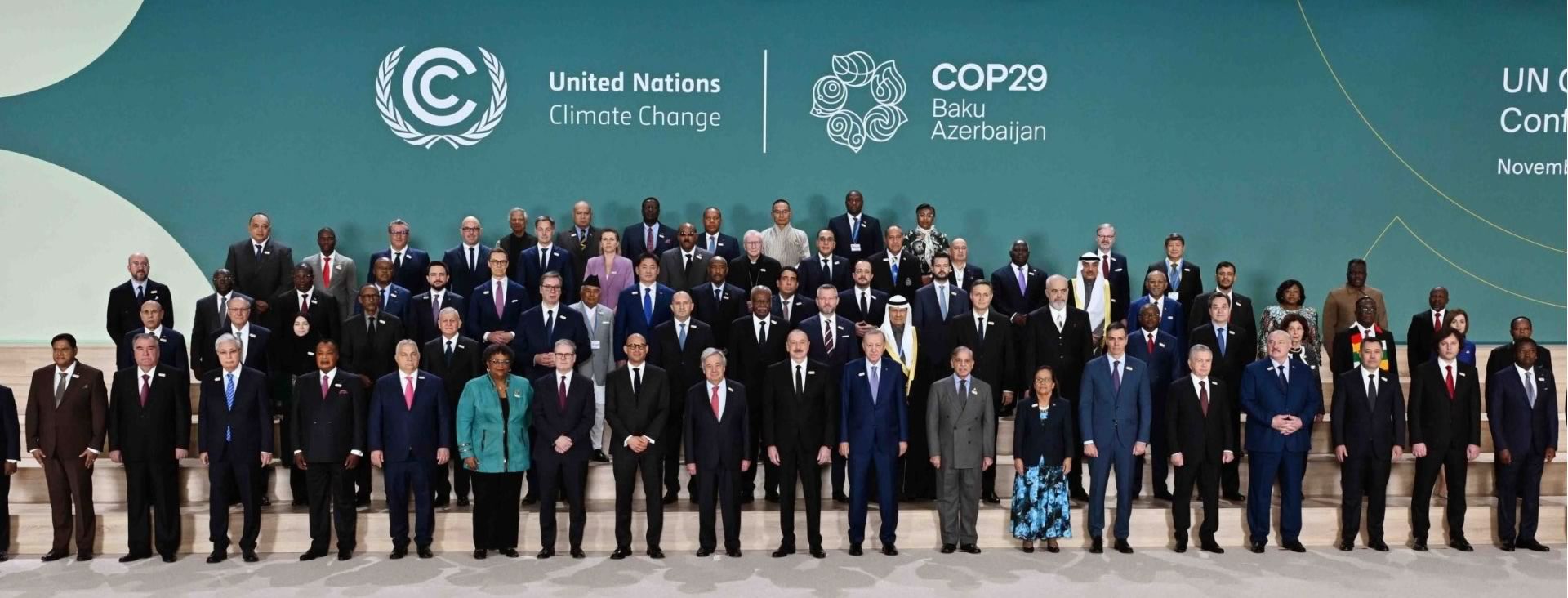
With more than 70,000 participants, including 975 virtual, this global event brings together representatives from nearly 200 countries around the theme “In solidarity with a green world”. Azerbaijan, the host country, has the largest delegation with 2,229 people, followed by Brazil (1,914), Turkey (1,862), the United Arab Emirates (1,011), China (969 delegates).

Unfulfilled promises and insufficient funding
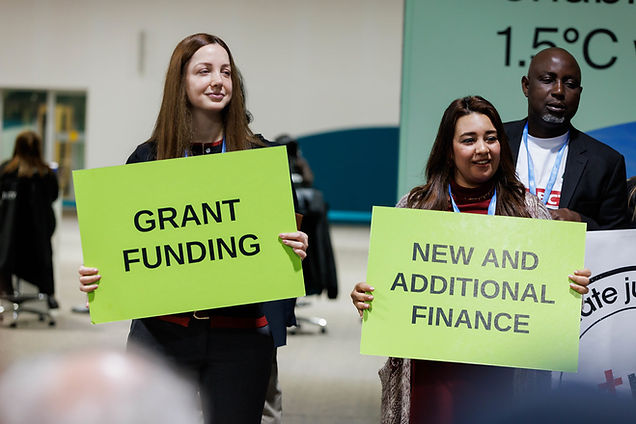
Despite repeated commitments, many delegates present in Baku deplore the lack of concrete actions by industrialized nations. And expectations are high. In his opening speech, UN Secretary-General Antonio Guterres stressed the urgency of finding a compromise on the financial aid that developed countries must pay to the least deprived countries, at the end of the two-week conference. He drew up an alarming assessment of the year 2024, marked by unprecedented heat records.

Wars and indigenous peoples at the heart of the issues
Refugees, on the front lines of the climate crisis, are facing increased vulnerability. According to a new UNHCR report presented at COP29, these displaced populations, often from regions already weakened by conflict, are exposed to a devastating combination of climate shocks and resource shortages. Droughts in Namibia, Zambia, floods in Mali, Chad, Ethiopia, Sudan, Niger, Uganda…, rising sea levels have forced many families to flee their homes, thus aggravating humanitarian crises.

At the same time, indigenous peoples, guardians of biodiversity and holders of ancestral knowledge, are facing the loss of their lands and livelihoods due to industrial exploitation. Their voices are being raised at COP29 to demand recognition of their land rights and equitable participation in decisions that affect them. To this end, a series of discussions organized on 13 November by the International Forum of Indigenous Peoples gave participants the opportunity to demand justice and reparation.
On November 14, 2024, activists from all over the world stormed the streets of the Conference Center in Baku, demanding an end to the conflicts that are plunging thousands of families into chaos.
Women, people with reduced mobility and young people, particularly vulnerable groups, are also at the heart of the debates. These populations, who are disproportionately affected by the impacts of climate change, are often excluded from decision-making processes.
Their demands for greater climate justice and better representation are being made loud and clear at COP29
A high-level panel on food in Africa
The panel discussions will highlight the challenges of financing food systems in fragile and conflict-affected countries. For the different parties, it is now more than ever time to mobilize more financing for disaster risk reduction, to support vulnerable populations and strengthen their resilience to climate change. During a panel on November 12, the Green Climate Fund announced that it would prioritize private sector financing to accelerate the transition to sustainable food systems.
Reforestation, a crucial issue